
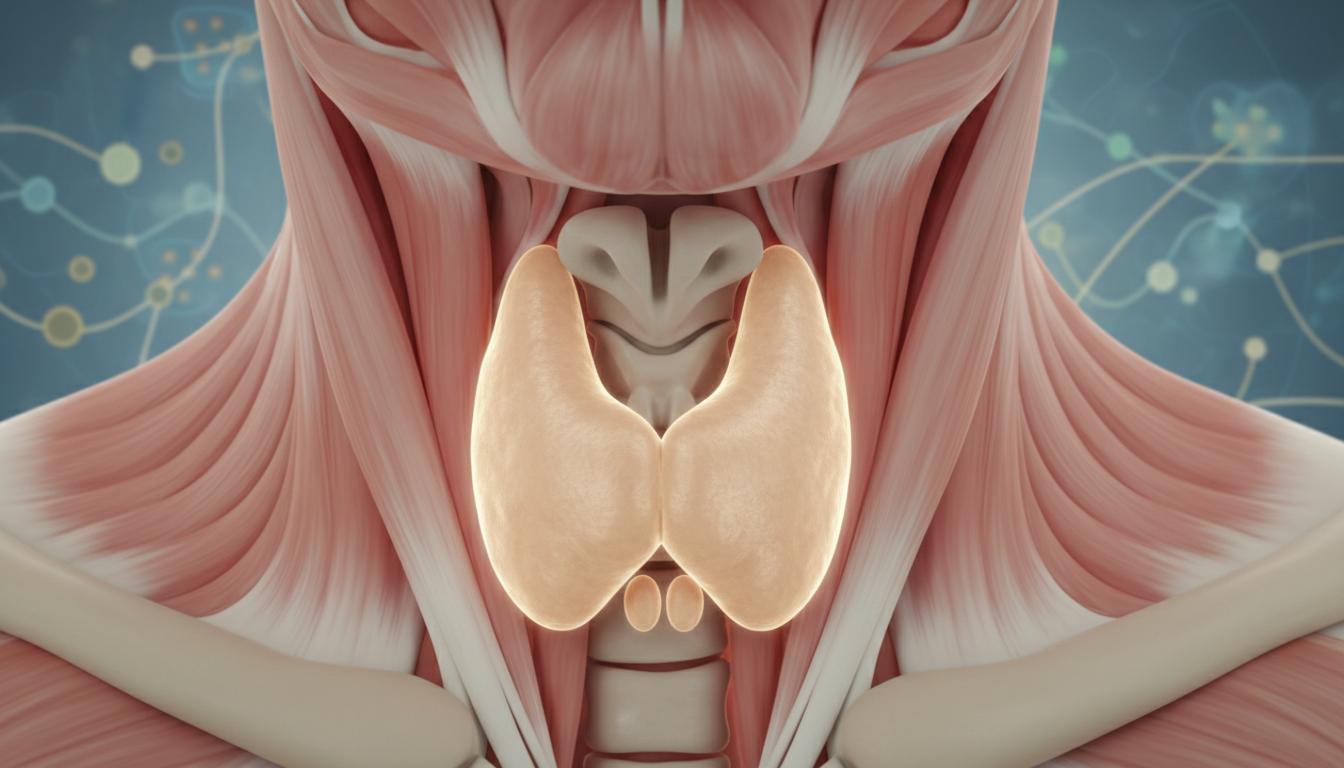
Euthyroidism means your thyroid is working just right. Not overactive. Not underactive. Just steady. When your body is in euthyroidism, your energy, weight, mood, and temperature regulation tend to feel stable. In this guide, you’ll learn what euthyroidism is, how the thyroid system keeps itself in balance, what “borderline” states look like, when to act, and practical steps to maintain a healthy thyroid in Aotearoa New Zealand.
What is
Euthyroidism is the state of normal thyroid function. Blood tests show a thyroid-stimulating hormone (TSH) level within the laboratory’s reference range and thyroid hormones (free T4 and, when measured, free T3) also sitting in their normal ranges. In simple terms, euthyroidism means your body has the right amount of thyroid hormone on board.
This is different from hypothyroidism (too little thyroid hormone) and hyperthyroidism (too much). It is also different from subclinical thyroid disease, where TSH is abnormal but free T4 remains normal. Another look-alike is “euthyroid sick syndrome” (also called non-thyroidal illness syndrome), where serious illness temporarily disturbs thyroid blood tests even though the thyroid gland itself isn’t the problem.
Lab reference ranges vary slightly across New Zealand, but commonly you’ll see TSH around 0.4–4.0 mIU/L, free T4 about 10–20 pmol/L, and free T3 about 3.5–6.5 pmol/L. Your report will show the ranges used by your local lab.
How it works
Your thyroid sits at the base of your neck and releases two main hormones: thyroxine (T4) and the more active triiodothyronine (T3). Most T3 is converted from T4 by enzymes called deiodinases in the liver, muscles, and other tissues.
This system is governed by the hypothalamic–pituitary–thyroid (HPT) axis:
- The hypothalamus produces TRH (thyrotropin-releasing hormone).
- The pituitary responds by releasing TSH.
- TSH tells the thyroid to make T4 and T3.
- When levels rise, T4 and T3 signal back to lower TSH. That feedback loop holds euthyroidism.
Iodine is essential for making T4 and T3, and selenium supports the enzymes that activate and deactivate thyroid hormones. In New Zealand, iodised salt and iodine-fortified bread help protect the population’s iodine status. Soil here is relatively low in selenium, so dietary variety matters (eggs, seafood, nuts, and legumes help). For most people, balanced eating and a functioning feedback loop keep euthyroidism without any fuss.
Types / examples
Euthyroidism is a point of balance, but people can sit near its edges or have specific patterns worth knowing about:
1) Classic euthyroid
TSH and free T4 both in range. No thyroid symptoms or only nonspecific ones (like tiredness) that have other explanations. No treatment needed.
2) Euthyroid with antibodies
Some people have positive thyroid peroxidase (TPO) antibodies or thyroglobulin antibodies but still maintain euthyroidism. This can be an early autoimmune process (often Hashimoto’s). You may not need treatment, but your GP might recheck TSH yearly, especially if you’re planning pregnancy.
3) Euthyroid goitre
A painless enlargement of the thyroid with normal labs. Causes include iodine variation or benign nodules. Usually monitored. If compressive symptoms or suspicious nodules occur, imaging and further assessment follow.
4) Euthyroid Graves’ eye disease
Eye symptoms (irritation, bulging, double vision) can appear even when thyroid hormones are normal, due to autoimmune activity in the orbit. Requires eye-focused care and endocrine review.
5) Euthyroid sick syndrome
During serious illness, free T3 often falls and TSH may be low, normal, or slightly high. The thyroid is not the issue; it’s an adaptive response. Treat the underlying illness first. Recheck labs once you’re well before making any thyroid decisions.
6) Subclinical states near euthyroidism
Subclinical hypothyroidism (TSH mildly high, free T4 normal) and subclinical hyperthyroidism (TSH low, free T4 normal) sit just outside euthyroidism. They can resolve, persist, or progress. Management depends on TSH level, age, symptoms, cardiovascular and bone health, and pregnancy status.
7) Euthyroidism in pregnancy
Trimester-specific reference ranges apply. Iodine needs rise in pregnancy and breastfeeding, so iodine supplements are often recommended during these times on medical advice. Maintaining euthyroidism lowers risks of complications for mother and baby. If you have known thyroid disease, early review with your GP or midwife is important.
Pros and cons
Benefits of euthyroidism
- Steady energy, mood, and cognition.
- Healthy heart rate and cholesterol profile.
- Stable weight regulation and body temperature.
- Support for fertility, pregnancy, and postpartum recovery.
- Reduced risk of atrial fibrillation and bone loss compared with hyperthyroidism.
Trade-offs and pitfalls to watch
- Overtreatment risk: If you take thyroid medication when you don’t need it, or the dose is too high, you can slip into hyperthyroidism.
- Undertreatment risk: If you need levothyroxine but the dose is too low, symptoms may persist and cholesterol may rise.
- Lab confusion: Non-thyroid illness, biotin supplements, and timing of blood tests can muddy results.
- Inconsistent formulations: Switching levothyroxine brands or inconsistent dosing can move you out of euthyroidism.
How to use or choose
Step-by-step: How to check and maintain euthyroidism in New Zealand
- Book a GP appointment if you have thyroid symptoms, a family history, or you are planning pregnancy. Your GP can order TSH (and free T4 if indicated). In some cases, thyroid antibodies are added.
- Avoid high-dose biotin (often found in hair/nail supplements) for at least 48 hours before testing, as it can skew results.
- Test at a local collection centre. Use the same lab for follow-up when possible, so ranges and methods are consistent.
- Review results with your GP. If you’re in euthyroidism, no treatment is needed. If borderline, your GP may suggest watchful waiting and a repeat test in 6–12 weeks.
- If medication is prescribed, take it exactly as directed. Levothyroxine is usually taken on an empty stomach, at the same time daily, and separated from calcium or iron.
- Recheck TSH 6–8 weeks after any dose change. Aim for a stable dose that keeps you in euthyroidism.
- Keep diet steady: use iodised salt, include seafood, eggs, and dairy if suitable for you. Don’t start high-dose iodine or selenium supplements without medical advice.
- If you’re pregnant or trying to conceive, see your GP early. Thyroid targets are tighter in pregnancy.
Choosing care and options locally
- Primary care first: Most thyroid issues are managed well by your GP in partnership with practice nurses and local labs.
- Specialist input: Endocrinology referral is considered for complex cases, nodules, eye signs, pregnancy with thyroid disease, or hard-to-stabilise levels.
- Medication funding: In New Zealand, thyroid medications such as levothyroxine, carbimazole, and propylthiouracil are funded by Pharmac – Te Pātaka Whaioranga. Staying on the same formulation helps keep euthyroidism.
- Advice when unsure: Healthline (0800 611 116) can help you decide if you need urgent care, especially if you have severe symptoms like palpitations, chest pain, or confusion.
Diet and lifestyle tips that support euthyroidism
- Iodine: Choose iodised table salt at home. Bread in NZ is iodine-fortified, which helps day-to-day intake.
- Selenium: Aim for variety—seafood, poultry, eggs, legumes, and nuts. Brazil nuts are rich but can be too much if eaten in large quantities; a small amount goes a long way.
- Consistency: If you’re on levothyroxine, keep meal timing and supplement routines steady. Big changes can shift your TSH.
- Smoking: Quitting supports thyroid eye health in Graves’ disease.
- Exercise and sleep: These won’t change TSH directly but improve how you feel, which helps separate thyroid symptoms from everyday fatigue.
Comparison: Euthyroidism vs Hypo- and Hyperthyroidism
| State | TSH (typical) | Free T4 (typical) | Common Symptoms | Common Causes | Usual Approach |
|---|---|---|---|---|---|
| Euthyroidism | 0.4–4.0 mIU/L | 10–20 pmol/L | Generally well; no clear thyroid symptoms | Healthy HPT feedback, adequate iodine | No treatment; routine monitoring only if at risk |
| Hypothyroidism | High | Low (or normal if subclinical) | Tiredness, weight gain, cold intolerance, dry skin, constipation | Autoimmune (Hashimoto’s), thyroid surgery, radioiodine, severe iodine deficiency | Levothyroxine titrated to restore euthyroidism |
| Hyperthyroidism | Low or undetectable | High (or normal if subclinical) | Palpitations, anxiety, heat intolerance, weight loss, tremor | Graves’ disease, toxic nodules, thyroiditis | Antithyroid drugs, radioiodine, or surgery; aim for euthyroidism |
| Euthyroid sick syndrome | Low/normal/slightly high | Often normal or low-normal; free T3 low | Illness-related; not thyroid-driven | Severe systemic illness (e.g., sepsis) | Treat underlying illness; recheck when recovered |
FAQ
What exactly does euthyroidism feel like?
Most people feel “normal”—energy is steady, heart rate is comfortable, weight is stable, and there are no clear thyroid symptoms. Many other issues can mimic thyroid problems, so normal labs help rule those out.
Can I have symptoms even if I’m in euthyroidism?
Yes. Fatigue, weight changes, or low mood have many causes. If labs show euthyroidism, your GP may look at sleep, iron, B12, mental health, menopause, medications, and other conditions.
Do I need treatment if I’m euthyroid but have thyroid antibodies?
Usually no. Antibodies signal risk, not current dysfunction. Monitoring is sensible, especially for pregnancy plans or if symptoms develop. Your GP will agree on a follow-up schedule.
How often should I test thyroid levels?
If you’re healthy and euthyroid, you don’t need routine testing. If you have risk factors or mild abnormalities, your GP may suggest repeat testing in 6–12 weeks, then annually or as needed.
What keeps moving me out of euthyroidism?
- Missed doses or taking levothyroxine with food, coffee, iron, or calcium.
- Switching brands or strengths without rechecking.
- Pregnancy, weight changes, new medications (e.g., amiodarone, lithium), or acute illness.
Should I take iodine or selenium supplements?
Don’t start high-dose supplements without advice. In New Zealand, iodised salt and fortified bread usually cover iodine needs. Selenium comes from a mixed diet. Pregnancy and breastfeeding have higher iodine needs—your midwife or GP will advise on dosing.
Is there a best diet to stay in euthyroidism?
No special diet is required. Eat a balanced, varied diet with iodised salt and regular protein sources. If you have coeliac disease or a restricted diet, discuss testing and nutrition with your clinician, as these can influence absorption and thyroid status.
How quickly can I return to euthyroidism after treatment starts?
Levothyroxine dose changes take 6–8 weeks to show fully in TSH. Antithyroid medications often improve symptoms within weeks, but full stabilisation also takes time. The goal is steady euthyroidism, not rapid swings.
Do I need imaging if I feel a neck lump but labs are euthyroid?
Possibly. A neck lump or visible goitre with euthyroidism often warrants an ultrasound to assess nodules. Your GP will arrange this and decide if an endocrinology or surgical referral is needed.
What about children and euthyroidism?
Paediatric reference ranges differ by age. If growth, learning, or behaviour changes raise concern, see your GP. Newborn screening in New Zealand detects congenital hypothyroidism early, supporting normal development with timely treatment.
Is biotin really a problem for thyroid tests?
High-dose biotin can interfere with certain immunoassays, giving misleading results. Stop high-dose biotin for at least 48 hours before testing unless your doctor advises otherwise.
Key takeaways
- Euthyroidism means your thyroid is in balance and you generally don’t need treatment.
- Use the same lab where possible, and recheck after illness or medication changes.
- If you take thyroid medication, consistency is everything—same time, same way, same brand.
- In New Zealand, everyday choices like iodised salt and a varied diet support euthyroidism.
- Pregnancy needs special attention; involve your GP or midwife early.