
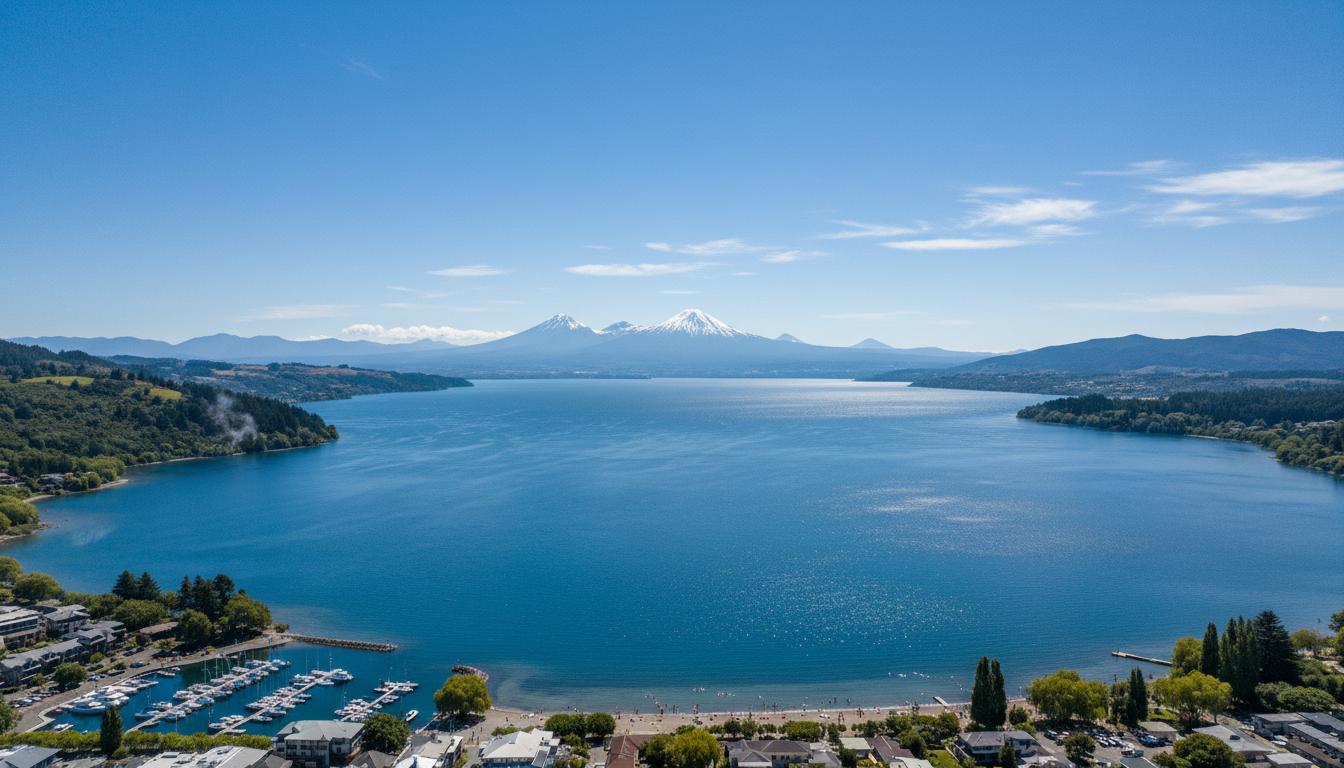
Lake Taupō can look like glass one hour and kick up whitecaps the next. That’s part of the charm. If you’re boating, fishing, hitting the trails, or simply planning a weekend escape, understanding weather taupo helps you make the most of every day—safely and comfortably. This guide breaks down how Taupō’s weather works, what a “typical” day looks like in each season, and the best ways to read forecasts for real-world decisions.
What is
When people search “weather taupo,” they’re usually after clear, practical information on current conditions, near-term forecasts, and the wider climate around Lake Taupō. The town sits on the edge of New Zealand’s largest lake in the central North Island, at roughly 360 metres above sea level. The climate is temperate and inland, with four distinct seasons, big day–night temperature swings, and a strong influence from the lake itself.
In broad terms, summers are warm and sunny with regular afternoon breezes; winters are crisp with frequent frosts and calm, cold mornings. Rainfall is moderate and spread through the year, with fronts from the west and southwest delivering most of it. Snow is rare in Taupō township but common in the mountains and on high roads nearby.
How it works
Taupō’s weather is shaped by a handful of reliable drivers:
- Latitude and sun: Sitting in the mid-latitudes of Aotearoa, Taupō gets strong summer sun and short winter days. UV levels are high in summer.
- Elevation: At ~360 m, nights cool quickly under clear skies. Expect bigger diurnal swings than in coastal cities.
- Lake effect: The sheer size of Lake Taupō moderates extremes. It trims the edge off summer heat and winter cold near the shore, but it also fuels local breezes and can build chop fast when winds rise.
- Prevailing westerlies: Weather systems often arrive from the west or southwest. The central plateau’s volcanoes and surrounding ranges bend wind and squeeze moisture out of passing fronts.
- Radiation fog and frosts: Calm, clear winter nights let heat escape. Cold air pools in low spots around the lake, setting up foggy dawns and white lawns.
- Topography and microclimates: Hills, valleys, and geothermal steam fields create pockets where conditions differ over short distances—handy to know when planning a ride, tramp, or fish.
Types / examples
Season-by-season at a glance
These are typical patterns, not hard rules. Taupō can flip the script quickly when a front moves in.
- Summer (Dec–Feb): Afternoon highs usually around the low-to-mid 20s °C. Lake breezes most days. Occasional thunderstorms inland. UV is intense—shade and sunscreen are non-negotiable.
- Autumn (Mar–May): Stable, clear spells with cool mornings. Calm lakes at dawn, glassy paddling and fishing conditions, then a gentle breeze later.
- Winter (Jun–Aug): Daytime highs often near 10–12°C, frequent frosts, foggy starts that burn off by late morning. Snow on the Desert Road and Tongariro National Park is common; in town, snow is uncommon.
- Spring (Sep–Nov): Changeable. Fast-moving fronts bring gusty westerlies, showers, and the odd hail or thunderstorm. Longer sunny breaks in between.
Day-to-day patterns you’ll notice
- Morning calm, afternoon breeze: Many days start still. By afternoon, heating over land draws air off the lake, freshening winds and raising a chop.
- Southerly changes: A fresh southerly can drop temperatures sharply and roughen the lake quickly. Boaties should keep an eye on approaching cloud bands.
- Fog and frost: In winter, overnight cooling and high humidity can lay down thick fog around low-lying areas; visibility improves late morning.
- Spring squalls: Short, sharp showers and gusts, then bright sun minutes later. Plan flexible outdoor windows.
Local impacts beyond town
- Desert Road (SH1): Regular winter closures or restrictions due to snow, ice, and wind-chill. Check Waka Kotahi before travelling.
- Napier–Taupō Road (SH5): Exposed to wind and heavy rain; slips or snow are possible in colder outbreaks.
- Tongariro National Park: Rapid weather changes. Always consult mountain forecasts, not just town weather.
Pros and cons
- Pros:
- Plenty of settled, sunny days for boating, biking, and tramping.
- Cool, clear nights—great for stargazing and restful sleep.
- Less humidity than coastal cities; heat feels manageable.
- Cons:
- Changeable in spring and with frontal passages; showers and wind can arrive fast.
- Cold mornings and frequent frosts in winter.
- High summer UV; sunburn risk is real and quick.
How to use or choose
Planning your day with weather taupo
- Check a trusted forecast: Start with MetService Taupō for the next 24–48 hours.
- Scan radar and rain maps: Spot incoming bands and timing, especially in spring.
- Assess wind: Look at wind speed and direction by the hour; lake breezes can push speeds higher on the water than in town.
- Read specialised advisories: Mountain forecasts for Tongariro; road alerts for SH1/SH5; boating advisories from local authorities.
- Match activity to window: Book water time for mornings on breezy days; schedule hikes when wind eases and showers pass.
- Pack layers and sun gear: A light shell for showers, warm layer for mornings, hat and SPF 50+ in summer.
What to wear and carry by season
- Summer: Light clothing, breathable long sleeves, sunhat, sunglasses, SPF, and a windproof layer for the lake or a southerly change.
- Autumn: Layer up—tee, mid-layer, and a shell. Mornings can be cold even on sunny days.
- Winter: Insulating layers, beanie, gloves for early starts. If driving early, an ice scraper and extra time help.
- Spring: Quick-dry layers and a reliable rain shell. Expect gusts; secure gear on bikes and boats.
Choosing the best time to visit for your plans
- Boating and paddling: Late summer to early autumn often brings stable mornings and warm water.
- Tramping and biking: Autumn and late spring offer clear air and cooler temps; watch wind in exposed areas.
- Fishing: Year-round, but calm dawns and dusk changes can be magic—check local regulations and lake conditions.
- Snow sports nearby: Winter is your window; always cross-check mountain weather and road status.
Comparison table
Here’s a practical look at how the seasons stack up for everyday decisions in Taupō. Values are typical ranges, not guarantees.
| Season | Daytime Temps | Night Temps | Rain Pattern | Typical Winds | UV Level | Lake Conditions |
|---|---|---|---|---|---|---|
| Summer (Dec–Feb) | 20–27°C | 10–15°C | Showers with fronts; many dry days | Light AM, breezy PM lake winds | High to Very High | Warmest; afternoon chop common |
| Autumn (Mar–May) | 14–22°C | 5–10°C | Settled spells, occasional fronts | Gentle, often calm mornings | Moderate (drops by late autumn) | Often glassy at dawn; cooling water |
| Winter (Jun–Aug) | 8–12°C | -2–4°C | Regular fronts; foggy starts at times | Light winds; brisk southerlies with changes | Low to Moderate | Coldest; smooth in calm, sharp chill with wind |
| Spring (Sep–Nov) | 12–20°C | 3–8°C | Showers and sunny breaks; changeable | Gusty westerlies with fronts | Moderate to High (rising) | Variable; quick shifts in chop |
Water temperatures and comfort
- Lake Taupō typically warms to around 18–22°C in late summer.
- In winter, it often sits near 10–13°C. Wetsuits extend swim and paddle comfort.
FAQ
What is the best month to visit Taupō for settled weather?
Late summer into early autumn (February–March) often brings warm days, lighter winds in the mornings, and pleasant evenings. It’s a sweet spot for boating, biking, and lakeside time.
Does it snow in Taupō?
Snow in Taupō township is rare. Nearby high roads like the Desert Road and the mountains in Tongariro National Park get regular winter snow. Always check road and mountain forecasts before travelling.
How windy does it get on the lake?
Many days see a gentle morning followed by a breezy afternoon, especially in summer and spring. Fresh northwest or southerly changes can build short, steep chop quickly. If you’re boating, monitor real-time wind and carry proper safety gear.
Is UV a concern?
Yes. New Zealand’s UV is strong, and Taupō is no exception. On clear summer days, the UV index often reaches very high levels. Sunscreen, a hat, and sunglasses are essential.
What are typical temperatures in winter and summer?
Summer daytime temperatures usually sit between 20–27°C, with cooler nights. Winter days are often around 8–12°C, and frosts are common on clear nights.
What’s the wettest time of year?
Rain is spread through the year, but late winter and spring can be more unsettled with frequent passing fronts. Heavy, prolonged rain is less common than on New Zealand’s west coasts.
How do fog and frost affect travel?
Winter fog can reduce visibility around dawn, especially near low-lying areas and the lake. Give yourself extra time, use lights, and watch for black ice on cold mornings. Check highway advisories for SH1 and SH5.
Where should I check the forecast for weather taupo?
Use MetService for Taupō town forecasts, radar, and rain maps. For mountain trips, read the Tongariro alpine forecast. For roads, check Waka Kotahi’s updates. Local council and harbourmaster notices help boaties with lake conditions and safety alerts.
Is Taupō good for year-round outdoor activities?
Yes. With smart timing—mornings for calmer water, sheltered tracks on breezy days—you can get outside in any season. Dress for the conditions, and keep an eye on fronts in spring and winter.
How does weather taupo differ from coastal cities?
Compared with Auckland or Wellington, Taupō is less humid, has cooler nights, and bigger day–night swings. Winds are often lighter in the mornings but can freshen quickly over the lake in the afternoon.
Final tips for reading and using Taupō weather
Quick decision checklist
- Today’s wind direction and speed by the hour.
- Timing of any showers or fronts on radar.
- Morning fog or frost risk if you’re on the road early.
- UV level and cloud cover for sun protection.
- Backup activity if the southerly arrives sooner than forecast.
Weather in Taupō rewards those who look one step ahead. Check a reliable forecast, match your plans to the calmest windows, and take the right layers. Do that, and the lake—and the wider central plateau—will show you its best side, season after season.