
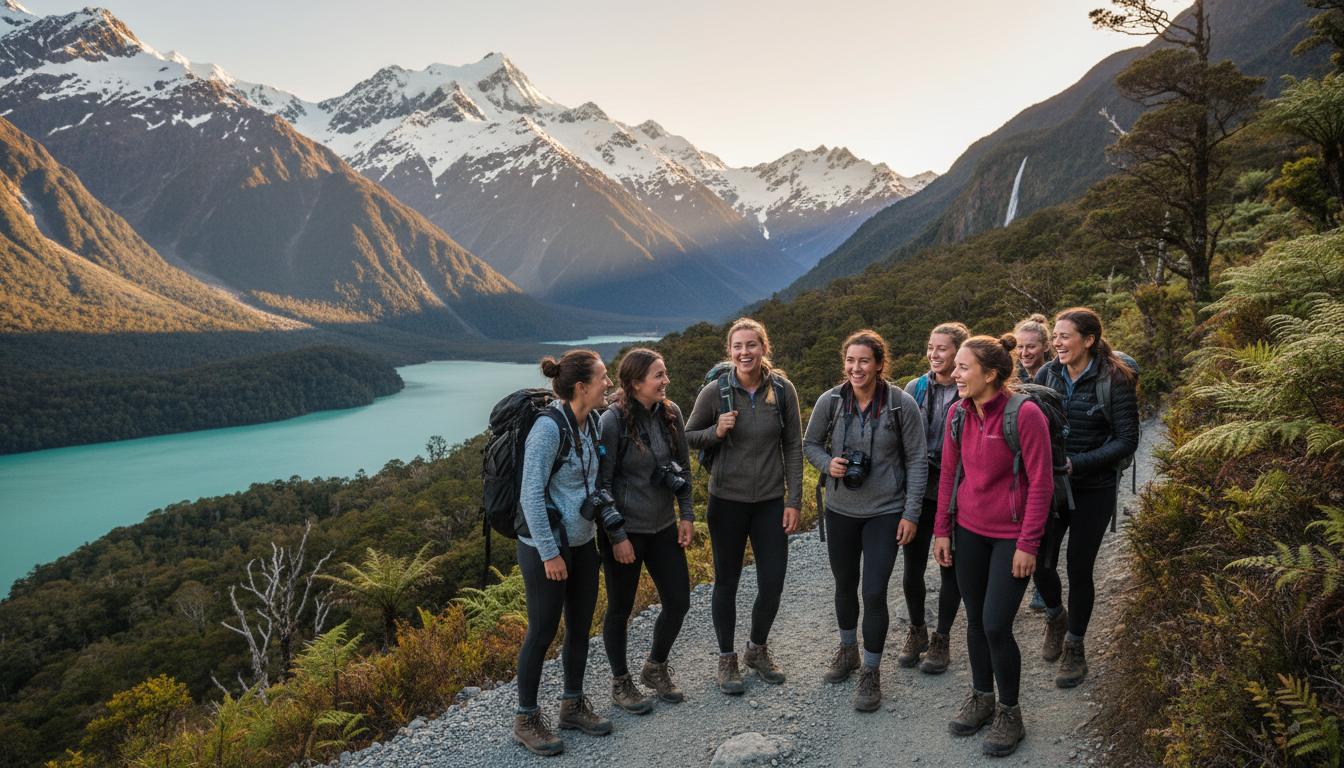
Searches for newzealandgirls often point to more than a trend or a hashtag. They point to the lived experience of girls and young women in Aotearoa New Zealand—how they learn, play sport, connect online, and shape their futures. This guide explains what newzealandgirls means in context, where support and opportunities come from, and how to engage with the community safely and respectfully.
Expect clear definitions, practical examples, pros and cons, and step-by-step advice. Whether you are a parent, educator, coach, creator, or a young person yourself, you will find ways to make good choices and avoid common pitfalls.
What is
In plain terms, newzealandgirls is a catch-all phrase—often a social media tag—that refers to girls and young women in New Zealand (Aotearoa). It is not a brand or single organisation. Instead, it reflects a diverse community that includes Māori, Pasifika, Asian, Pākehā, Middle Eastern, Latin American, African, and many other identities, plus a wide span of interests and abilities.
The phrase shows up in three main places:
- Online: as a hashtag used for sport, arts, school wins, outdoor adventures, and community causes.
- In the media: as shorthand for stories about education, health, equity, and youth culture.
- In everyday life: as a way people talk about opportunities and challenges for girls growing up in Aotearoa.
Used well, newzealandgirls highlights achievement, inclusion, and safe connection. Used poorly, it can slide into stereotypes or attention-chasing posts that ignore consent and privacy. The context and intent matter.
How it works
Life around newzealandgirls is shaped by overlapping systems: whānau and community, schools and clubs, health and wellbeing services, and digital platforms. Here is how those pieces fit together.
- Whānau and community: Local networks—sports clubs, marae, churches, libraries, youth groups—offer belonging, role models, and practical help.
- Education: From primary to secondary and NCEA, schools build academic pathways alongside sport, arts, kapa haka, and leadership. Many schools now include digital citizenship and wellbeing programmes.
- Sport and recreation: Netball, football, rugby, basketball, waka ama, dance, and outdoor clubs help with fitness and confidence. Seasonal access and fees vary by region.
- Health and support: School nurses, community health providers, and helplines can assist with mental health, nutrition, period care, and safety. Many services work with whānau and respect cultural values.
- Online spaces: Instagram, TikTok, YouTube, and community forums connect newzealandgirls to trends, tutorials, and peers. Netsafe provides guidance for safe online behaviour and reporting harmful content.
Law and guidance add guardrails. The Privacy Act 2020 sets rules for personal information. The Harmful Digital Communications Act addresses serious online abuse. Schools and platforms have their own reporting processes and codes of conduct. In practice, safety improves when adults take online wellbeing as seriously as weekend sport or school exams.
Types / examples
By age and stage
- Primary (Years 1–6): Curiosity, play, and foundation skills. After-school sport and arts start here.
- Intermediate (Years 7–8): Identity grows fast. Social media interest begins. Guidance on privacy and consent is key.
- Secondary (Years 9–13): NCEA choices, leadership roles, trialling jobs or volunteering, larger competitions in sport and arts.
- Early tertiary or training: Pathways into trades, university, and creative industries; scholarships and mentorships become relevant.
By interests
- Sport: Netball, football, rugby sevens, hockey, basketball, and surf lifesaving are popular. Community clubs often run “give it a go” days.
- Outdoors: Tramping, mountain biking, waka ama, sailing, and conservation projects link fitness with Aotearoa’s landscapes.
- Arts: Kapa haka, music, theatre, hip-hop, spoken word, visual arts, and film clubs build expression and teamwork.
- STEM and tech: Robotics, coding groups, science fairs, and makerspaces support future-focused skills.
Real-world examples you might see
- GirlGuiding and youth leadership groups building confidence and community service.
- School initiatives improving period equity, such as providing free period products.
- Local libraries running homework clubs, coding workshops, and creative writing sessions.
- Netsafe resources used in assemblies or classes to teach online safety.
- Kapa haka teams and cultural festivals celebrating identity and language.
Across these spaces, you will regularly see posts tagged with newzealandgirls—celebrating wins, sharing tips, or promoting events. The best examples respect privacy, celebrate diversity, and credit the mahi of teams, whānau, and coaches.
Pros and cons
Like any broad label, newzealandgirls brings gains and trade-offs.
Pros
- Visibility: A simple tag collects achievements and resources in one place.
- Connection: Young people find peers with similar interests across regions.
- Motivation: Role models—from student leaders to national athletes—feel closer and more relatable.
- Access: Quick discovery of clubs, scholarships, events, and support services.
Cons
- Over-generalisation: One label can hide big differences between regions, cultures, and needs.
- Privacy risks: Photos or personal details can spread without consent.
- Stereotypes: Narrow images of “success” can exclude quieter or less visible paths.
- Online harm: Trolling, unrealistic comparisons, and misinformation require active moderation and support.
How to use or choose
Whether you are supporting a young person or creating content for the community, use this step-by-step plan to work with newzealandgirls in a way that is practical and safe.
- Define your purpose. Are you seeking a club, sharing a win, or offering resources? Clear goals reduce noise.
- Prioritise consent. Ask before posting names, images, or school details. For minors, get guardian approval.
- Choose trusted channels. Prefer official school accounts, registered clubs, and verified organisations.
- Match age and stage. Content for Years 7–8 differs from senior secondary or early tertiary audiences.
- Use inclusive language. Reflect Aotearoa’s cultures and avoid stereotypes about what girls “should” like.
- Offer practical value. Share dates, costs (if any), sign-up links, transport info, and gear requirements.
- Encourage balance. Pair online posts with real-world meetups, training, or workshops.
- Build in safety. Link to Netsafe guidance, set comment rules, and show how to report problems.
For creators and organisations using the keyword newzealandgirls for outreach:
- Use NZ English and reference Aotearoa’s seasons and school terms.
- Add alt text and captions. Accessibility is part of respect.
- Avoid clickbait or content that focuses on appearance. Celebrate skill, effort, and teamwork.
- Be transparent about sponsorships or partnerships.
Comparison table: common pathways and platforms for newzealandgirls
| Option | Where it happens | Why it helps | Watch-outs |
|---|---|---|---|
| School/kura programmes | Primary, intermediate, secondary | Structured learning, pastoral care, leadership roles, sport and arts access | Busy timetables; check for transport, fees, and inclusivity |
| Sports clubs | Local clubs, regional leagues | Fitness, teamwork, confidence, clear progression pathways | Seasonal costs, travel to games, selection pressure |
| Creative arts groups | Community centres, studios, schools | Expression, collaboration, performance and portfolio building | Event fees, gear, time commitments around exams |
| STEM and makerspaces | Libraries, hubs, schools, online challenges | Future skills, problem-solving, industry links | Limited slots in some regions; device access varies |
| Online platforms and hashtags (e.g., newzealandgirls) | Instagram, TikTok, YouTube, forums | Showcase achievements, discover opportunities, find peers | Privacy, moderation needs, misinformation risks |
| Youth services and libraries | Council libraries, youth hubs | Free or low-cost workshops, safe spaces, study support | Limited evening or weekend hours in some areas |
| Outdoor and conservation groups | Tramping clubs, coastcare, planting days | Resilience, environmental knowledge, community service | Weather-dependent, transport to tracks or beaches |
FAQ
What does newzealandgirls actually mean?
It is a broad term—often used as a hashtag—that refers to girls and young women in Aotearoa New Zealand. People use it to share achievements, resources, and community stories. It is not a single programme or company.
Is it safe to use the hashtag newzealandgirls?
It can be, if you put privacy first. Avoid sharing personal details like school location, schedules, or home addresses. Get consent for photos, use platform privacy settings, and point to Netsafe for advice and reporting.
What sports are popular with newzealandgirls?
Netball, football, rugby sevens, basketball, hockey, athletics, surf lifesaving, dance, and waka ama are common choices. Most regions have beginner-friendly seasons and trials.
How do schools support newzealandgirls?
Schools provide academic pathways, pastoral care, sport and arts programmes, and digital citizenship teaching. Many partner with community groups for mentoring and wellbeing services.
How can parents or mentors choose the right activity?
Match the activity to interest and schedule, check coach credentials, ask about fees and gear, look for inclusive teams, and plan transport. If unsure, start with a short-term “give it a go” session.
What online safety resources are available?
Netsafe offers guidance for students, whānau, and schools on privacy, consent, and reporting harmful digital communications. Platform-specific safety centres also explain blocking and reporting tools.
Are there scholarships or grants for newzealandgirls?
Many schools, councils, universities, and community trusts offer scholarships or fee support for sport, arts, leadership, and STEM. Check school notices, local council pages, and university scholarship portals.
How can creators make content that genuinely helps?
Use clear NZ English, include practical details (dates, costs, how to join), add alt text and captions, credit organisers and teams, and avoid content that reduces newzealandgirls to appearance or stereotypes.
How it works in practice: putting it all together
Imagine a secondary student interested in coding and futsal. A good path looks like this: talk with whānau and a dean or careers advisor; trial a local club; join a library coding workshop; follow club and school accounts; post wins with consent using newzealandgirls; and set boundaries around screen time and comments. The result is a balanced week, realistic goals, and a safe online footprint.
For an educator, it might mean curating a noticeboard of scholarships and clubs, partnering with a nearby makerspace, applying for grants to reduce fees, and sharing success stories that highlight teamwork and effort. Tagging posts with newzealandgirls helps reach those who are searching, while safety guidelines keep students protected.
Key takeaways for New Zealanders
- newzealandgirls is a community, not a stereotype—make room for many paths to thrive.
- Local networks (schools, clubs, libraries) are the backbone; online platforms extend the reach.
- Consent and privacy are non-negotiable. Build them into every post and programme.
- Celebrate skill and growth. Provide clear, practical information people can act on today.
Used thoughtfully, newzealandgirls can spotlight the talent and drive of young people across Aotearoa—and help them find the people and places that back them.