
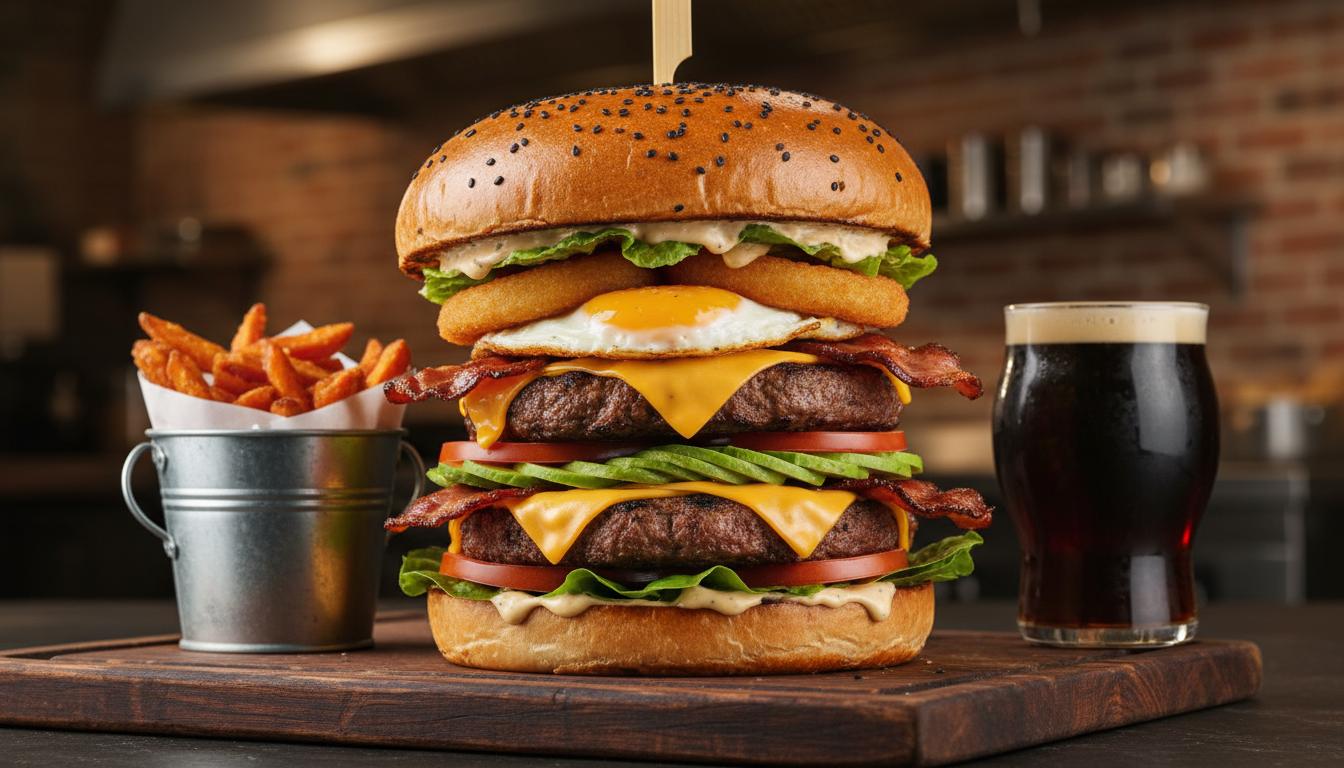
Search “reburger” in New Zealand and you’ll see a mix of burger spots, delivery-only menus, and social posts about stacked buns and melty cheese. The term reburger is used for modern, fast-casual burgers—sometimes a specific brand name, sometimes a style—built for convenience, customisation, and big flavour. This guide explains what reburger usually means here, how these operations run, what kinds you’ll find, and how to choose a great one without wasting cash or calories.
What is
Reburger is a catch-all term people use for a new-school burger offer in Aotearoa. It can be:
- A branded burger outlet or pop-up with a short, tight menu.
- A “virtual” or delivery-only brand listed on apps.
- Shorthand for a reimagined burger: smashed patties, soft buns, punchy sauces, and fast service.
While the exact meaning changes by city and vendor, most reburger menus share a few traits:
- Fast-casual format: quick prep, made-to-order, dine-in optional.
- Flexible builds: swap buns, add pickles, double the patty, go plant-based.
- Delivery-friendly packaging and combos.
- Kiwi twists—think beetroot, fried egg, or kumara fries alongside the classics.
Because reburger is used broadly, always check the specific outlet’s site or listing for details on ingredients, allergens, and prices.
How it works
Most reburger operations are designed for speed and consistency. Here’s the usual flow in New Zealand:
- Ordering: walk-up counter, click-and-collect on the venue’s site, or delivery via apps like Uber Eats, DoorDash, DeliverEasy, or Menulog.
- Kitchen model: short line, hot plate or flat-top for smashed patties, fryers running nonstop for chips and sides.
- Virtual brands: some venues list a reburger menu that’s prepared in a shared or “ghost” kitchen, so the name on the app may differ from the physical venue.
- Packaging: vented clamshells for fries, lined wraps for burgers, shakes in sealed cups to travel well.
- Timing: most orders are ready in 8–20 minutes for pickup; delivery time depends on driver availability and distance.
Payment is usually cashless. Loyalty stamps or app-based rewards are common. If you have allergies, check the listing for detailed allergen notes and ask about cross-contact before ordering.
Types / examples
Reburger menus are compact but varied. Expect these styles across New Zealand:
- Classic beef: smashed patty, American cheese, pickles, onion, mustard-ketchup, soft bun.
- Cheeseburger stacks: double or triple patties, extra cheese, special sauce.
- Chicken: crispy fried thigh or grilled breast with slaw and aioli; spicy options with chilli mayo.
- Plant-based: patties made from pea or soy protein, mushrooms, or black beans; vegan cheese by request.
- Fish: crumbed or battered fillet, tartare, lettuce, lemony mayo.
- Breakfast-leaning: fried egg, bacon, hash brown, sometimes beetroot in a Kiwi-burger nod.
- Loaded sides: shoestring or thick-cut chips, kumara fries, tater tots, cheese sauce, gravy, or chilli salt.
- Sauces: house “special” sauce, smoky BBQ, chipotle mayo, truffle aioli, or a tangy relish.
Buns vary: brioche for sweetness, potato rolls for softness, sesame or wholemeal for structure. Many places offer gluten-free buns; coeliac diners should confirm if preparation avoids cross-contact.
Pros and cons
Like any fast-casual food, reburger has strengths and trade-offs.
Pros
- Convenience: quick pickup and reliable delivery coverage in larger centres.
- Customisation: swap toppings, select patty counts, add heat, choose a different bun.
- Modern options: plant-based patties, dairy-free sauces, and gluten-free buns at many outlets.
- Predictability: short menus are dialled in for speed and consistency.
Cons
- Price creep: add-ons stack up; delivery fees and surcharges can surprise you.
- Travel impact: steam can soften buns and chips; longer trips dull the crunch.
- Nutrition: energy, sodium, and saturated fat can be high in loaded builds.
- Brand fog: virtual brands can make it hard to know who’s cooking your meal.
How to use or choose
Use this quick plan to pick a good reburger in your area and get the best version to your table.
- Define your target: beef, chicken, plant-based, or fish—and how hungry you are.
- Search locally: use maps or delivery apps, filter by rating and distance to cut travel time.
- Check photos and menus: look for clear bun structure, fresh lettuce, and sauce placement (not drowning the patty).
- Read recent reviews: focus on the last 4–8 weeks for notes on consistency, wait times, and soggy vs. crisp issues.
- Scan allergen info: make sure gluten-free, dairy-free, or nut-safe needs are supported and ask about cross-contact.
- Compare value: a la carte vs. combo; check if a double cheeseburger plus fries beats a loaded single.
- Order smart for travel: ask for sauce on the side and well-vented packaging for fries; choose pickup if you’re close.
- Plan sustainability: rinse recyclable containers and use soft-plastic drop-off points where available.
- Taste and adjust: next time, tweak salt, sauce, or patty count based on what you liked.
What to look for in a quality reburger
- Bun integrity: soft but springy, holds up to heat and sauce.
- Patty sear: caramelised crust on smashed beef; moist interior for chicken.
- Balance: acid (pickles, relish) to cut rich cheese and mayo.
- Heat management: hot patty meets room-temp toppings so lettuce stays crisp.
- Packaging: vents for fries, wraps that prevent steam-trapping.
Ordering tips for New Zealand conditions
- Short trips: within 10–15 minutes keeps chips crisp. Longer? Choose thicker-cut fries or tots.
- Add acidity: extra pickles or a tangy sauce stops the “all-fat” palate fatigue.
- Lighten up: swap to a single patty, skip the extra cheese, or choose a lettuce wrap.
- Budget moves: weekday specials, pickup-only discounts, and loyalty apps can shave dollars off.
Comparison: reburger vs other burger options
| Option | Typical price (burger only) | Speed | Ordering | Customisation | Diet-friendly choices | Consistency across locations | Best for |
|---|---|---|---|---|---|---|---|
| Reburger (modern/virtual brand) | Mid to mid-high | Fast | Pickup + delivery apps | High (add-ons, swaps) | Often includes plant-based and GF buns | Good if menu is tight | Convenience and custom builds |
| Independent local burger bar | Mid to high | Moderate (made-to-order) | Dine-in + pickup, some delivery | High (chef-driven specials) | Varies; check menu notes | Varies by venue | Sit-down quality and unique flavours |
| Big fast-food chain | Low to mid | Very fast | Drive-thru + apps | Low to moderate | Set items; limited swaps | Very high | Lowest price and late-night hours |
FAQ
Is reburger a specific brand or just a style?
Both. Reburger can be a brand name used by some operators, and it’s also used to describe a modern, delivery-friendly burger style. Always check the listing to see who’s behind the kitchen.
Is a reburger good for delivery?
Yes, if it travels a short distance. Choose nearby outlets, ask for sauces on the side, and pick thicker fries or tots for longer trips. Pickup is usually crispier than delivery.
What about nutrition—how heavy is a typical reburger?
It varies by build. A single cheeseburger with standard toppings is moderate; doubles, bacon, extra cheese, and creamy sauces can push energy, sodium, and saturated fat up fast. If nutrition details are posted, use them; otherwise, downsize the patty or skip add-ons to keep it lighter.
Can I get gluten-free or vegan reburger options?
Many outlets offer gluten-free buns and plant-based patties. For coeliac safety or strict vegan needs, ask about separate prep areas, fryers, and sauces to avoid cross-contact.
How do I reheat a leftover reburger?
- Disassemble: remove lettuce, tomato, and pickles.
- Warm the patty in a hot pan for 1–2 minutes per side.
- Toast the bun cut-side down in the same pan for 30–60 seconds.
- Rebuild with fresh greens and sauce.
How can I keep costs down when ordering a reburger?
- Order pickup to skip delivery fees.
- Look for combo deals only if you actually want the sides.
- Use loyalty or first-order discounts on apps.
- Share loaded fries instead of buying two smalls.
Is reburger available outside big cities?
Selection is best in larger centres. Smaller towns may have food trucks, pop-ups, or a few delivery listings on busy nights. Check local social pages for pop-up schedules.
What makes a standout reburger in New Zealand?
Good beef sear or well-seasoned chicken, a bun that holds up, a clean hit of acid from pickles or relish, and restraint with sauce. A local flourish—beetroot, a fried egg, or a sharp cheddar—can set it apart.
How it works in practice: building a better order
Here’s a quick template you can use next time you open an app or step up to the counter for a reburger.
- Pick your base: single beef smash, crispy chicken, or plant-based.
- Choose structure: potato or sesame bun for hold; GF bun if needed.
- Add balance: pickles and onion for brightness; one primary sauce.
- Add richness with intent: one slice of cheese; bacon only if you skip extra sauce.
- Side strategy: thicker fries or tots for delivery; kumara fries if you like sweet-savoury.
- Drink pairing: soda for sweet contrast, or a light beer where licensed.
- Travel proofing: sauce on the side, vented packaging, and pickup when close.
Sustainability and waste tips
Reburger packaging is improving, but the best results come from small habits:
- Ask for fewer napkins and skip cutlery you won’t use.
- Rinse recyclable containers before placing them in your kerbside bin if accepted.
- Use soft-plastic drop-off points where available for clean, dry soft plastics.
- Walk to pickup when possible; it cuts emissions and keeps food crisp.
Final take
Reburger in New Zealand is shorthand for fast, customisable, modern burgers—sometimes a brand, often a style. To get a great one: choose nearby, keep the build balanced, and order with travel in mind. Do that, and you’ll get the snap of fresh pickles, the crunch of a good sear, and a bun that survives the last bite.