
New Zealand weather keeps you honest. One minute it’s blue skies, the next it’s a southerly. If you know clothing, you choose pieces that handle all of it without fuss. This guide shows how to spot quality, what fabrics suit Aotearoa, and how to build a wardrobe that lasts.
Expect clear advice, examples for local conditions, and simple steps to shop smarter. The aim is practical: fewer mistakes, better value, and clothes that work hard from Northland heat to Otago frost.
What is
“You know clothing” is a shorthand for making informed wardrobe choices: understanding fabric, fit, construction, and care so every purchase earns its place. It’s not a label. It’s a skill you can learn.
In New Zealand, it also means picking garments for real life here—layers for quick weather shifts, UPF tops for harsh UV, and outerwear that stands up to wind and rain without turning you into a sauna.
When people say you know clothing, they mean you can look past hype and choose pieces that feel good, perform, and last through countless wears.
How it works
Good clothing starts with fibre. Natural fibres like merino and linen breathe well and manage moisture. Synthetics like nylon and polyester dry fast and resist abrasion. Blends aim to balance strengths.
Fabric construction matters. Tight weaves block wind and sun. Knits stretch and move. Check fabric weight (GSM for knits, ounces for denim) and fibre diameter (micron for merino). Finer merino—around 17–19.5 micron—usually feels softer on skin.
Quality shows in the make. Look for even stitching, reinforced stress points, bar-tacks, and seam taping on rainwear. Zips should glide. Buttons should be secured with a shank. Labels should list clear care instructions.
Performance ratings help. A rain jacket with 10,000 mm water column resists downpours; breathability around 10,000 g/m²/24h or more reduces clamminess. For sun, choose UPF 50+ where possible.
Ethical and safety standards offer signals. OEKO-TEX Standard 100 screens for harmful substances. ZQ-certified merino indicates animal welfare and responsible land management through New Zealand supply chains. Responsible Wool Standard (RWS) is another credible benchmark.
Fit is function. Shoulder seams should sit at the shoulder point, not droop. Sleeves should allow movement without pulling. If you know clothing, you read size charts and use a tape measure, not wishful thinking.
Types / examples
Here are common pieces that earn their keep in New Zealand wardrobes, with situations where they shine.
- Merino base layers: Ideal for commuting in Wellington wind, tramping in the Kaimai, or winter school runs. They wick, warm, and rarely smell.
- Light rain shell: For “four seasons in one day.” Look for seam taping, adjustable hood, and underarm vents for cycling or city walking.
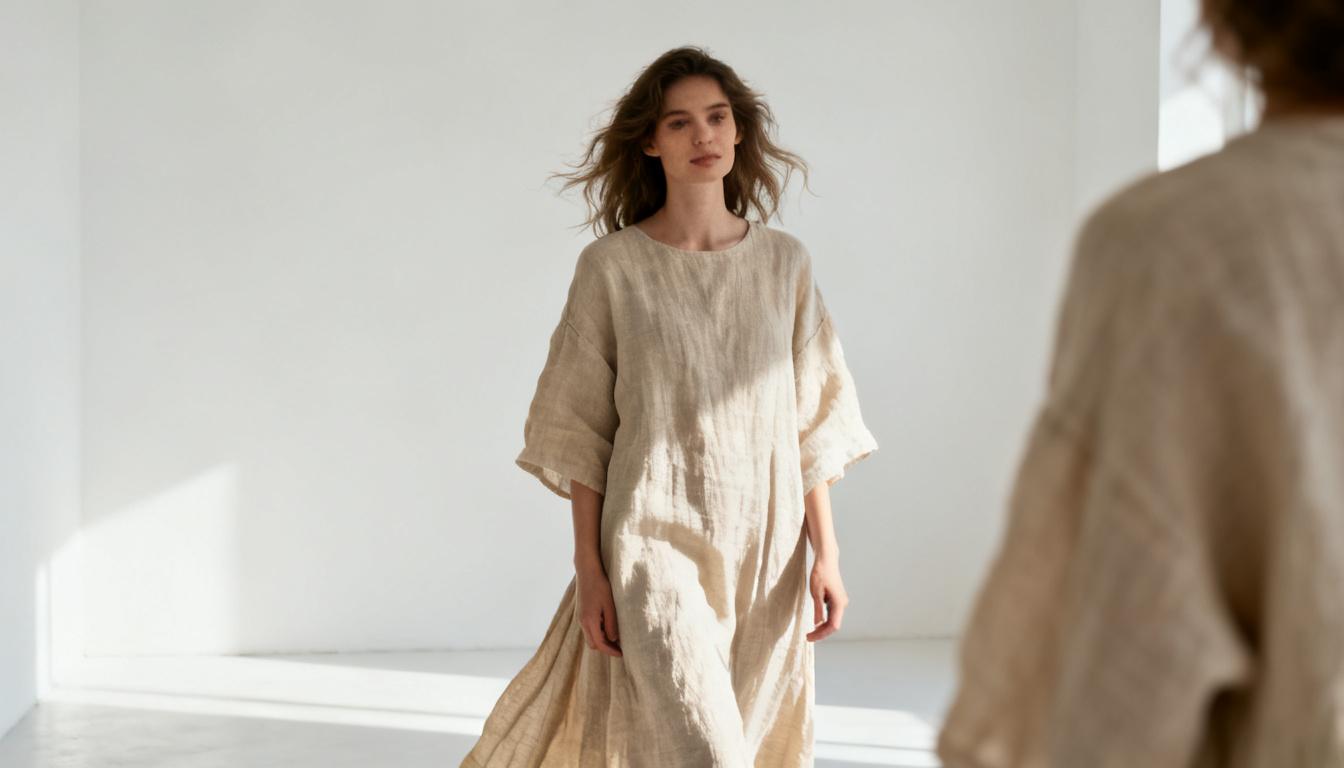
- Linen shirts and dresses: Breeze-friendly for humid Far North and Bay of Plenty summers. They soften with wear.
- Quick-dry shorts and tees: Great for beach days, boating, and kids’ sport. They rinse clean and dry on the line fast.
- Insulated mid-layers: Synthetic or down for crisp South Island mornings. Use a windproof outer over the top.
- Workwear: Heavy cotton drill or ripstop with reinforced knees and triple stitching suits tradie life and DIY weekends.
- UPF 50+ long-sleeve tops: Essential in high UV months. Pair with a brimmed hat for yard work or fishing missions.
- Smart-casual staples: A well-cut chino, a breathable oxford shirt, and a merino crew carry you from office to dinner without fuss.
- Activewear leggings and tops: Four-way stretch, squat-proof, and moisture-wicking for the gym or a run along the waterfront.
- Occasion pieces: Keep it simple—well-tailored separates mix and match more than one-off statement outfits.
Fabric comparison for NZ conditions
| Fabric | Breathability | Warmth | Dry time | Care | Best use in NZ | Notes |
|---|---|---|---|---|---|---|
| Merino wool | High | High for weight | Moderate | Gentle wash, line dry | Base layers, tees, socks year-round | Low odour, fine micron is softer |
| Possum–merino blend | High | Very warm | Moderate | Gentle wash | Knitwear for cold, dry days | Lightweight warmth, soft handle |
| Cotton (woven) | Medium | Low | Slow | Easy, but can shrink | Shirts, chinos in mild weather | Comfortable but holds moisture |
| Linen | High | Low | Moderate | Gentle, steam to de-wrinkle | Hot, humid summers | Wrinkles by design; cool feel |
| Polyester | Medium | Low–medium | Fast | Easy care | Activewear, quick-dry tees | Wicks well; can retain odour |
| Nylon | Medium | Low | Fast | Easy care | Shell jackets, swimwear | Tough, abrasion-resistant |
| TENCEL Lyocell | High | Low–medium | Moderate | Gentle wash | Soft tees, dresses | Smooth, drapey, breathable |
Pros and cons
Natural fibres
- Pros: Breathable, comfortable, often better odour control. Merino insulates when damp.
- Cons: Slower to dry than synthetics, can shrink if mishandled, often higher upfront cost.
Synthetics
- Pros: Fast-drying, durable, light, often cheaper. Great for sport and rain shells.
- Cons: Can trap odour, may feel clammy in heat if poorly ventilated. Microfibre shedding is a concern—use a wash bag or filter.
Buying local or second-hand
- Pros: Supports Kiwi businesses, reduces shipping miles, easier returns, and second-hand stretches budgets and keeps clothes in use.
- Cons: Limited size or colour runs locally, and thrifting takes time to find the right fit.
Investing in fewer, better
- Pros: Lower cost-per-wear, less clutter, more cohesive outfits.
- Cons: Higher upfront spend and patience needed to wait for the right piece.
How to use or choose
Step-by-step: a smart way to buy
- Define the job. Commuting, tramping, office, beach—name the main use first.
- Match the fabric. Hot and humid needs linen or lightweight blends; changeable weather needs merino and a shell.
- Check the build. Look for reinforcing, neat seams, quality zips, and—for rainwear—seam taping and a decent hood.
- Dial in the fit. Use a tape measure and compare to the brand’s chart. NZ/AU sizing is often aligned, but always verify.
- Read the label. Fibre content, UPF ratings, waterproof/breathable numbers, and care instructions should be clear.
- Test movement. Lift arms, sit, squat. Nothing should pull or gape.
- Count outfits. If it doesn’t work with at least three things you own, think twice.
- Check credentials. Look for OEKO-TEX, ZQ merino, RWS, or clear supply chain info.
- Plan care. If it needs dry-cleaning and you won’t do it, skip it.
- Assess value. Estimate cost-per-wear, not just price. A great $180 jacket worn 80 times beats a $60 one worn twice.
Layering for Aotearoa
- Base: Moisture management (merino or technical synthetic).
- Mid: Warmth (fleece, wool, light down or synthetic insulation).
- Shell: Weather protection (windproof, waterproof, or water-resistant with vents).
This approach lets you adjust fast when the nor’west wind turns or the sun breaks through.
Care that extends life
- Wash cool with mild detergent; line-dry to save energy and fabric.
- Use a delicates bag for knits and activewear; consider a microfibre-catching wash bag.
- De-pill merino gently with a fabric comb; don’t shave through stitches.
- Reproof shells with a DWR treatment when rain stops beading.
- Repair early—loose hems and small holes are easy fixes.
FAQ
What does “you know clothing” actually mean?
It means you understand what you’re buying—fabric, construction, fit, and care—so your clothes perform and last. If you know clothing, you buy with intention, not impulse.
Which fabrics suit New Zealand’s climate best?
Merino for year-round base layers, a breathable windproof or waterproof shell for changeable days, linen for humid summers, and quick-dry synthetics for sport and travel.
How warm should a winter setup be in the South Island?
Start with a merino base, add a fleece or light puffer, and top with a windproof or waterproof shell. Swap layers as needed—warmth without bulk is the goal.
What do waterproof ratings mean?
They measure how much water pressure fabric can handle. Around 10,000 mm handles heavy rain; 20,000 mm and up suits severe weather. Pair with good breathability to avoid clamminess.
Is merino itchy?
Fine-micron merino (often 17–19.5 micron) is usually soft. Coarser wool can feel scratchy. If you’re sensitive, test on the neck or inner arm.
Are NZ sizes the same as AU sizes?
Often, yes. Many brands align NZ and AU sizing, but fit varies by brand and cut. Always use the size chart and measurements.
How do I protect against NZ sun?
Choose UPF 50+ clothing, darker or tighter weaves, long sleeves, and a wide-brim hat. Sunscreen fills the gaps but clothing is the first line.
Can I build a quality wardrobe on a budget?
Yes. Prioritise high-impact pieces, buy off-season, check outlet and sample sales, and use second-hand or clothing swaps. You know clothing when each piece earns frequent wear.
What’s the simplest starter kit?
Merino tee, breathable shirt, quick-dry shorts, chino or smart jeans, light fleece, waterproof shell, and a UPF long-sleeve. That combo covers most New Zealand weeks.
How often should I replace activewear?
When elasticity fades, seams strain, or odour lingers after washing. High-rotation gear may last 6–18 months; better fabrics and careful washing extend that.
Final thoughts
If you know clothing, you buy fewer, better pieces that match your life in Aotearoa. Learn the fabrics, check the build, and think in layers. Your wardrobe will feel lighter, last longer, and handle whatever the day throws at you.