
Planning a big trip, sizing up a move, or just curious how two very different countries stack up? Here’s a grounded, practical look at Zimbabwe vs New Zealand for a New Zealander’s lens—travel, lifestyle, costs, culture, sport, and the nuts and bolts that actually matter when you book, budget, or build connections.
What is
When people search “Zimbabwe vs New Zealand,” they’re usually after a side-by-side view: how these countries compare for travel experiences, day-to-day living, safety, cost, and opportunities. For Kiwis, the contrast is stark but fascinating—New Zealand’s temperate islands with modern infrastructure versus Zimbabwe’s landlocked, wildlife-rich heart of Southern Africa. One offers polished trails, glaciers, and world-class coffee; the other promises roaring falls, Big Five safaris, and ancient stone cities.
This guide keeps things simple and honest. You’ll see how each place works, what to expect on the ground, key differences, where the pros and cons sit, and how to decide what fits your plans.
How it works
Travel and logistics
There are no direct flights. Most Kiwis route via Sydney or Melbourne, then through hubs like Johannesburg, Doha, or Dubai to Harare or Victoria Falls. Door to door, expect 24–35 hours depending on layovers.
Time zones are almost opposite. Zimbabwe runs on Central Africa Time (UTC+2). New Zealand is UTC+12 (UTC+13 in daylight saving). You’ll be 10–11 hours apart—handy to know for calls and live sport.
Visas and entry (for NZ passport holders)
- Zimbabwe: Tourist entry is typically via eVisa or visa on arrival at major airports and borders. The KAZA Univisa (when available) allows access to both Zimbabwe and Zambia on a single visa—useful if you’re pairing Victoria Falls with Livingstone. Always check the latest official guidance before you book.
- New Zealand: Standard NZ entry rules apply for non-residents; returning Kiwis don’t need a visa, of course.
Money and payments
New Zealand uses NZD; cards are widely accepted. Zimbabwe’s currency framework has evolved over recent years. The US dollar is commonly used in tourism and retail, and in 2024 Zimbabwe introduced the ZiG (a gold-backed local currency) to stabilise pricing. Card acceptance in Zimbabwe is improving but not universal—carry small-denomination USD notes for smoother travel.
Health and safety
- New Zealand: High-quality public health system for residents, reliable emergency services, low crime rates by global standards.
- Zimbabwe: Travel health planning is essential. There’s malaria risk in several regions (including around Victoria Falls); consult a travel clinic for prophylaxis. Private clinics in major cities offer good care; travel insurance is a must. Normal big-city caution applies for petty crime.
Types / examples
Common Kiwi use cases
- Adventure holiday: New Zealand’s alpine hikes, mountain biking, and marine wildlife versus Zimbabwe’s safari drives, walking safaris, and Zambezi river adventures.
- Iconic nature: Milford Sound, Aoraki/Mt Cook, and geothermal Rotorua versus Victoria Falls, Hwange National Park, Matobo Hills, and the Great Zimbabwe ruins (UNESCO).
- Family trip: Smooth roads, kid-friendly accommodation, and easy self-driving in NZ versus guided safari lodges, cultural tours, and shorter city breaks in Harare or Bulawayo.
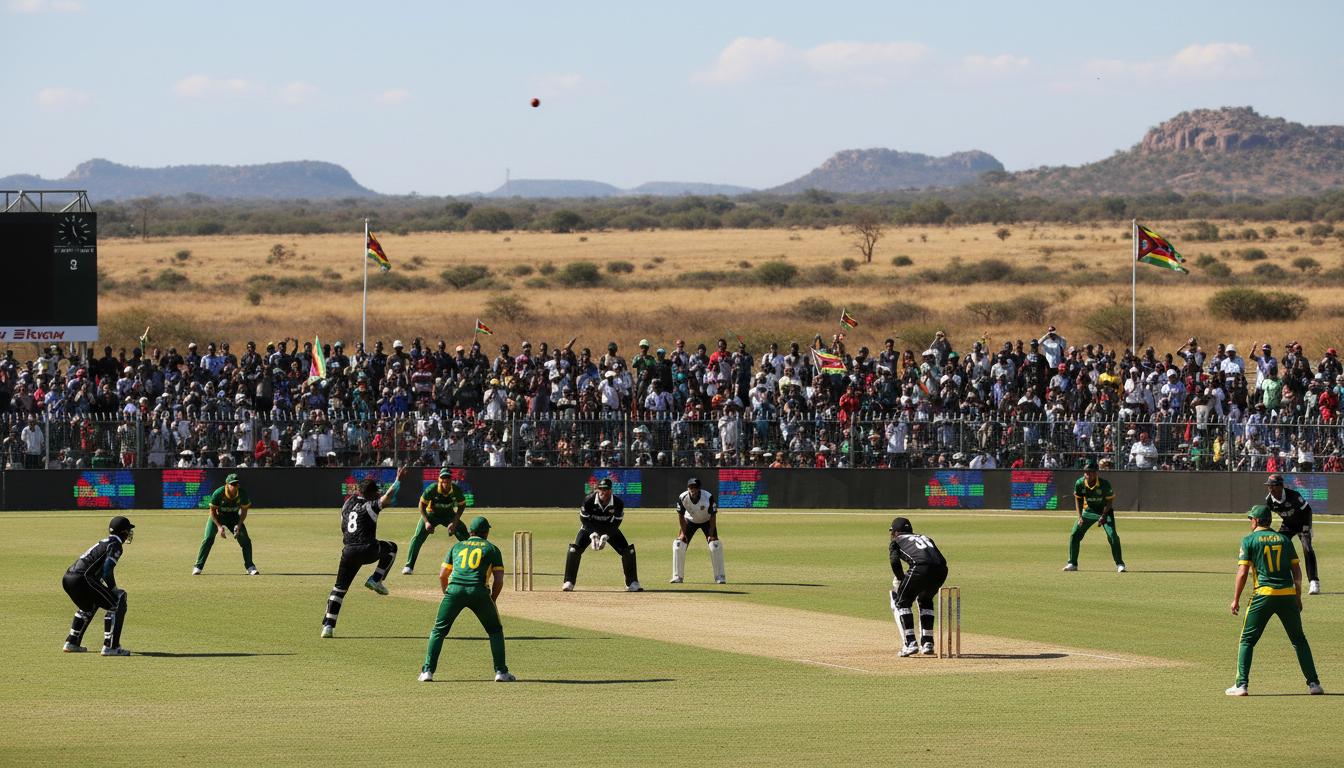
- Sport: New Zealand dominates cricket head-to-head, but fixtures with Zimbabwe have produced memorable performances. Expect late-night or early-morning viewing in NZ when matches are hosted in Africa.
- Business or volunteering: Agriculture and conservation exchanges, mining and infrastructure links, and NGO placements are all practical routes to connect.
Quick country snapshot: Zimbabwe vs New Zealand
| Category | Zimbabwe | New Zealand |
|---|---|---|
| Region | Southern Africa (landlocked) | South Pacific (islands) |
| Capital / Biggest city | Harare | Wellington / Auckland |
| Time zone | UTC+2 (no DST) | UTC+12 / +13 (DST) |
| Driving | Left-hand side | Left-hand side |
| Primary languages | English (widely used), Shona, Ndebele | English, Te Reo Māori (official) |
| Currency | USD widely used; ZiG introduced 2024 | NZD |
| Climate | Subtropical; wet Nov–Mar, dry Apr–Oct | Temperate maritime; varied by region |
| Top draws | Victoria Falls, safaris, Great Zimbabwe | Alpine hikes, beaches, Māori culture |
| Connectivity | 4G in cities; patchy in parks | Broad 4G/5G coverage |
| Cost profile | On-the-ground costs lower; flights and flagship attractions can be pricey | Higher everyday costs; excellent infrastructure |
| Visa for NZers | eVisa or visa on arrival (check current rules) | Home country |
Pros and cons
Visiting Zimbabwe
- Pros: Unmatched wildlife, the drama of Victoria Falls, rich history and culture, favourable on-the-ground prices, warm hospitality.
- Cons: Long travel time from NZ; variable infrastructure outside cities; malaria risk in some regions; cash handling and payments need planning.
Visiting New Zealand (for comparison)
- Pros: World-class trails and scenery, easy road trips, safe and familiar systems, excellent food and coffee, strong sustainability focus.
- Cons: Accommodation and dining costs can be high; weather changes quickly; popular spots get busy in peak season.
Living or working
- Zimbabwe: Lower costs and entrepreneurial opportunities in areas like tourism, agriculture, and services. Requires resilience and strong local partnerships.
- New Zealand: Stable, high-quality public services; higher living costs; skilled pathways for migrants with in-demand qualifications.
How to use or choose
Picking the right destination for your goal
Use a simple filter: what’s the experience you want, and how much complexity are you comfortable managing? If your dream is a bucket-list safari and a thundering waterfall you can feel in your bones, Zimbabwe is the call. If you want a seamless self-drive holiday with alpine vistas and easy logistics, New Zealand delivers.
Step-by-step: Plan an NZ-to-Zimbabwe trip
- Decide your focus: Victoria Falls, a national park (Hwange/Matobo/Manapools), or a cultural circuit with Harare and Great Zimbabwe.
- Pick your season: Dry months (Apr–Oct) bring prime wildlife viewing. Shoulder months are a sweet spot for value.
- Book flights with smart layovers: Compare routes via Johannesburg, Doha, or Dubai. Aim for fewer than two connections.
- Sort your visa: Apply for an eVisa ahead of time, or confirm visa-on-arrival eligibility at your entry point.
- Plan health: Consult a travel clinic 4–6 weeks out for vaccines and malaria prophylaxis. Pack a basic first-aid kit.
- Lock in payments: Carry small USD notes; confirm your card’s international settings; consider a backup travel card.
- Choose operators wisely: Licensed safari guides and registered tour companies make all the difference for safety and wildlife sightings.
- Pack for range: Light layers, sun protection, insect repellent, a universal power adapter, and binoculars.
Budgeting tips
- Flights are the big ticket; watch for sales and be flexible by a day or two.
- National park fees and premium experiences (like helicopter flips over the Falls) can be pricey—budget them upfront.
- City stays in Harare/Bulawayo can be excellent value; balance them with a few nights in a flagship park.
FAQ
Is Zimbabwe safe for New Zealanders to visit?
Thousands visit each year without incident. Choose reputable operators, follow local guidance, use normal travel caution in cities, and plan health measures for malaria zones. Travel insurance is essential.
What’s the best time to visit Zimbabwe vs New Zealand?
Zimbabwe’s dry season (April to October) is best for wildlife viewing and clear skies at Victoria Falls (flow is strongest around late summer to autumn, but spray can obscure views when the river runs highest). New Zealand shines from late spring to early autumn for hiking and beach trips, with winter best for snow sports.
Do Kiwis need a visa for Zimbabwe?
Typically yes—via eVisa or visa on arrival at major entry points. Rules can change; check official sources before booking.
How long is the flight from New Zealand to Zimbabwe?
Allow 24–35 hours including layovers, depending on route and season.
What currency should I use in Zimbabwe?
Carry USD in small denominations for everyday transactions. Cards are accepted in many hotels and larger venues. Zimbabwe introduced the ZiG in 2024; however, USD remains common in tourism.
Can I drive myself in Zimbabwe?
Yes, on the left side (same as NZ). In cities and main highways it’s straightforward. For national parks and rural routes, a 4×4 and local knowledge are invaluable. Many travellers mix self-drive with guided safaris.
What power plugs do I need?
Zimbabwe commonly uses Type D and G plugs at 220–240V. New Zealand uses Type I at 230V. Bring a universal adapter.
How does the sport rivalry look: Zimbabwe vs New Zealand?
In cricket, New Zealand holds the stronger record overall, but Zimbabwe has fielded standout players and can spring surprises, especially at home. Broadcasts from Southern Africa often air overnight in NZ due to the time difference.
Any health considerations beyond malaria?
Standard travel vaccines, food and water hygiene, and sun protection matter. In remote parks, medical evacuation coverage is wise. In major cities, private clinics provide good care.
What about internet and mobile?
Cities like Harare and Bulawayo have decent 4G; national parks are patchier by design. Local SIMs (e.g., Econet) are easy to buy with passport ID. Download offline maps before you go.
Closing thoughts
Zimbabwe vs New Zealand isn’t a like-for-like duel. It’s a choice between two exceptional but very different experiences. If you’re after raw wilderness, thunderous water, and the thrill of spotting elephants at dusk, Zimbabwe will stay with you for life. If you want seamless roads, alpine drama, and polished tourism from tip to tail, New Zealand is home turf perfection. Either way, go in prepared—you’ll get far more out of both.