
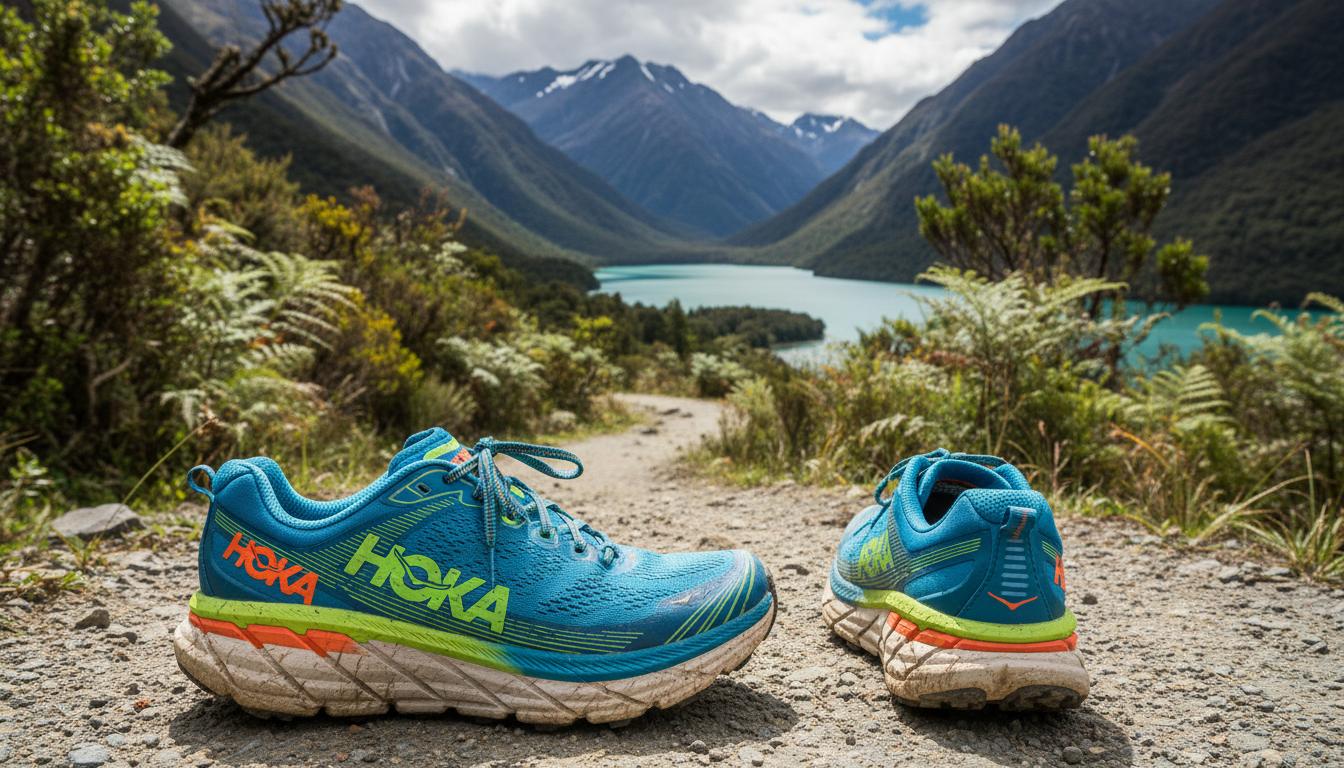
New Zealand puts shoes to the test—wet footpaths, rough coastal tracks, alpine scrambles, and long city commutes. If you keep hearing about the comfort of Hoka and wonder which pair suits our conditions, this guide is for you. Below, you’ll learn what Hoka shoes are, how their tech works, which models fit different needs, the pros and cons, how to choose the right pair for Aotearoa, and answers to common questions. By the end, you’ll know exactly how to navigate hoka shoes nz with confidence.
What is
Hoka is a performance footwear brand known for maximal cushioning and a curved sole that helps you move smoothly. The shoes are designed to reduce harsh impact, roll you forward, and support long days on your feet—whether you’re running the waterfront, tackling bush trails, or walking to work.
In New Zealand, hoka shoes nz usually refers to the local range available through authorised retailers and the official Hoka site. You’ll find road, trail, walking, and hiking options in men’s and women’s sizing, often with wide and waterproof variants.
How it works
Hoka shoes feel different because of a few key design choices working together:
- Meta-Rocker geometry: A curved sole (front and back) that encourages a smooth, rolling stride. It helps with turnover on the road and stability on uneven trails.
- Maximal cushioning: Thicker midsoles made from energetic foams soften impact without feeling squishy. Many models use responsive EVA blends; some use dual-density setups for a softer landing and a snappier toe-off.
- Active Foot Frame: The foot sits “into” the midsole rather than on top. This bucket-like cradle adds stability without heavy posts or stiff rails.
- Stability features when needed: “J-Frame” or similar firmer foam layouts guide the foot for runners who want support, especially on longer efforts.
- Outsole traction: Road shoes use durable rubber in high-wear zones; trail shoes often add Vibram-style lugs for grip on wet rock, roots, and scree common in NZ.
- Plated options: Select performance models include a carbon plate to improve propulsion on race day or faster sessions.
The result is a ride that’s cushioned yet lively, with a natural roll that can make daily kilometres feel easier on joints, especially on hard pavements.
Types / examples
Hoka covers four main categories seen across hoka shoes nz. These examples are commonly referenced by Kiwi runners, walkers, and hikers:
Road running
- Clifton: Lightweight daily trainer with balanced cushioning for easy runs and long days.
- Bondi: Extra-plush cushioning for maximum softness underfoot, popular for recovery runs and all-day comfort.
- Arahi: Stability-focused road shoe using Hoka’s guidance frame for runners who want support.
- Mach: Lighter, snappier option for faster training and tempo efforts.
Trail running
- Speedgoat: Aggressive grip and resilient cushioning for technical, muddy, and alpine trails.
- Torrent: Lighter, more agile trail shoe for mixed terrain and faster trail days.
- Mafate: Deep cushioning and traction for ultra-distance and rugged tracks.
Walking and standing
- Bondi/Clifton (road): Favoured by people on their feet all day who want softness and a smooth roll.
- Transport/Walking-specific models: Everyday comfort shoes with commuter-friendly uppers and grip.
Hiking and off-road adventure
- Kaha/Anacapa: Supportive hiking options with waterproof versions for boggy tracks and river spray.
- Speedgoat Mid: A mid-cut variant for extra ankle confidence on rough ground.
Quick comparison of popular Hoka models
| Model | Primary Terrain | Cushion Level | Support | Best For | Notable Tech | NZ Use Case |
|---|---|---|---|---|---|---|
| Clifton | Road | Balanced soft | Neutral | Daily miles | Meta-Rocker, Active Foot Frame | City runs, waterfront loops, commute walking |
| Bondi | Road | Max plush | Neutral | Recovery, long easy efforts | Thick foam, stable base | Hard pavements, long shifts on your feet |
| Arahi | Road | Moderate | Stability | Guided ride for mild overpronation | J-Frame guidance | Long road runs with gentle support |
| Mach | Road | Responsive | Neutral | Tempo, faster training | Lightweight foam blend | Speedwork on track or path |
| Speedgoat | Trail | Protective | Neutral | Technical terrain | Lugged outsole, rock-ready grip | Roots, mud, wet rock on bush tracks |
| Torrent | Trail | Moderate | Neutral | Faster trail efforts | Grippy lugs, agile feel | Mixed singletrack and undulating terrain |
| Kaha | Hiking | Highly cushioned | Supportive feel | Backcountry hikes | Supportive chassis, waterproof options | Alpine missions, wet and rocky routes |
Pros and cons
Pros
- Soft landings with a smooth roll reduce pounding on hard surfaces.
- Wide range for road, trail, walking, and hiking across hoka shoes nz.
- Support options exist without heavy, old-school posting.
- Durable cushioning for many kilometres when rotated properly.
- Waterproof variants help in wet Kiwi winters and stream crossings.
Cons
- High stack may feel tall if you’re used to minimal shoes.
- Some models run warm in summer; pick breathable uppers for hot days.
- Plated racers can feel firm on slow runs; they shine at speed.
- Trail lugs vary—choose carefully for clay-heavy or grassy tracks.
How to use or choose
Step-by-step: Choose the right Hoka for NZ conditions
- Define your main use: daily road running, trail running, walking, or hiking.
- Pick your terrain: city pavements, crushed gravel, technical bush trail, or alpine track.
- Choose cushion feel: plush (Bondi/Kaha), balanced (Clifton), responsive (Mach/Torrent).
- Decide on support: neutral (Clifton, Bondi, Speedgoat) or guided stability (Arahi).
- Consider weather: look for breathable mesh for summer; waterproof (GTX) for winter rain and mud.
- Select width: standard or wide. Hoka offers wide in several popular models.
- Check fit in your usual running size. If between sizes, consider foot swelling on long runs.
- Test the roll: stand, rock forward and back—your foot should feel cradled, not pitched.
- Walk-jog test if possible. Any hot spots should disappear within a few minutes; persistent rub is a red flag.
- Plan rotation if you run often: one cushioned daily trainer and one faster or trail pair.
Fit tips for Kiwis
- Socks matter. In winter or for tramping, allow room for thicker socks.
- Toe box: You should have a thumb’s width of space at the front to handle descents.
- Midfoot hold: Snug through the midfoot, relaxed in the toes, secure at the heel.
Care and lifespan
- Cleaning: Brush off mud when dry; hand-wash with mild soap. Avoid hot water.
- Drying: Air-dry at room temperature. Remove insoles; stuff with newspaper to wick moisture. No direct heat.
- Rotation: Alternating pairs lets foam rebound and can extend lifespan.
- Replacement: Many runners replace shoes every 500–800 km depending on surface, gait, and body weight.
Where to buy and how to spot the right pair
- Authorised New Zealand retailers and the official site list the current hoka shoes nz range, including wide and waterproof options.
- Specialty running stores can assess your gait and help with sizing.
- When buying online, check the model version, width, return policy, and whether it’s a road, trail, or hiking shoe.
Break-in and first runs
- Start with short, easy efforts to let your calves adjust to the Meta-Rocker.
- If you’re coming from minimal shoes, increase mileage gradually over 2–3 weeks.
- Re-lace for comfort: runner’s loop can improve heel lock on descents.
FAQ
Are Hoka shoes good for walking and standing all day?
Yes. Many New Zealanders choose Clifton or Bondi for all-day comfort thanks to their cushioning and smooth roll. Pick the one that feels best underfoot and fits your width.
Which Hoka is best for beginners?
For most new runners, the Clifton is a safe, versatile start. If you prefer more softness, try the Bondi. If you want support, consider the Arahi.
What Hoka model handles wet, technical NZ trails?
The Speedgoat is a popular choice for grip and protection on muddy, rocky, and rooty tracks. For lighter, faster trail days, the Torrent is worth a look.
Do Hoka shoes run true to size?
Generally yes, but it varies by foot shape. Try your normal running size first and check toe room. Wide options are available in several models across hoka shoes nz.
Are there waterproof Hoka shoes?
Yes. Look for GTX or waterproof-labelled versions in trail and hiking lines. They help in winter rain and shallow stream crossings.
Can I use Hoka for the gym?
For treadmill or classes, many road models work well. For heavy lifting, you may prefer a flatter, firmer shoe for stability.
Are Hoka good for plantar fascia or knee comfort?
Many people find the soft landings helpful, but response varies. If you have pain or injury concerns, get personalised advice from a clinician.
How long do Hoka shoes last?
Typical lifespan is 500–800 km for running, sometimes more for walking. Rotate pairs and avoid high heat to extend durability.
What’s the difference between Clifton and Bondi?
Both are road shoes. Clifton balances lightness and cushioning for daily use. Bondi adds extra foam for maximum softness and protection.
Do Hoka make carbon-plated racing shoes?
Yes. Hoka offers plated models designed for speed. They’re best for faster running and race efforts rather than easy days.
How do I know if I need stability?
If you often feel your feet collapse inward or get repeat overuse niggles, stability like the Arahi can help guide your stride. A gait check at a specialty store is useful.
What’s special about hoka shoes nz compared with overseas options?
You’ll see a range tailored to local demand—strong trail choices, waterproof variants, and popular road models in standard and wide fits. Availability can differ by market, so check NZ stock before you decide.
Any tips for coastal paths and boardwalks?
For mixed footpaths and gravel, the Clifton is a reliable pick. If you expect wet, slick sections or occasional trail detours, consider the Speedgoat for extra grip.
Can I machine-wash my Hokas?
No. Hand-clean and air-dry. Heat and harsh cycles can damage foam, glue, and upper materials.
Choosing the right hoka shoes nz comes down to your terrain, cushion preference, and fit. Pick a model that matches your daily reality—city pavements, muddy tracks, or alpine ridgelines—and you’ll feel the difference from your first few steps.